
Leading Foundation Repair Supplies For Professional-Quality Results
Explore top supplies used by experts to achieve durable and reliable foundation repairs for any property.
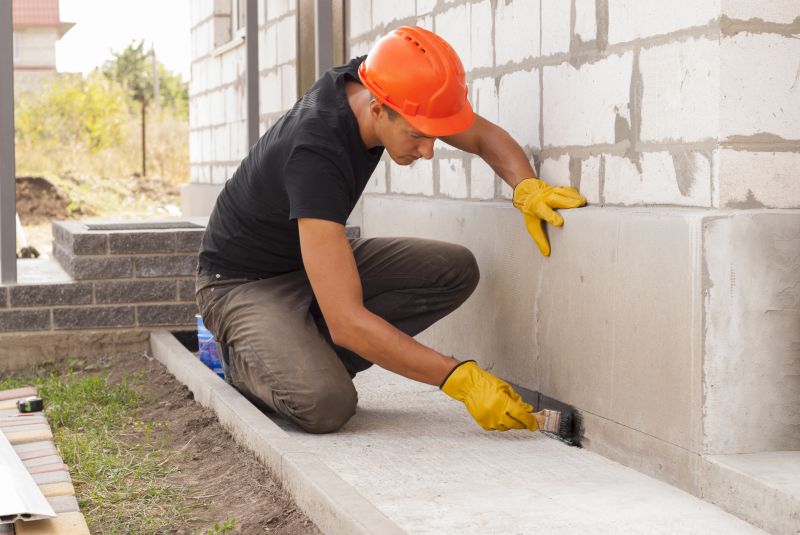 Foundation repairs are a critical aspect of maintaining the structural integrity and safety of a building. When signs such as uneven floors, cracking walls, or sticking doors appear, it may indicate underlying issues with the foundation that require attention. Selecting the right products for foundation repairs involves understanding various options designed to stabilize, lift, or reinforce the foundation. These products are available in different forms, including underpinning systems, epoxy injections, hydraulic piers, and repair patches, each suited to different types of foundation problems.
Top Overall Option
Hydraulic Piering System
A hydraulic piering system is a versatile foundation repair solution that involves installing adjustable piers beneath the foundation to lift and stabilize it. This method is often suitable for addressing uneven settling and structural shifts, providing a customizable and durable support structure. Its adaptability makes it a common choice for various foundation types and severity levels, offering precise adjustments to restore stability. Proper installation by professionals ensures optimal performance and longevity of the repair.
Types of Products For Foundation Repairs
Concrete Crack Sealants
Used to fill and seal small to medium cracks in concrete foundations, preventing water intrusion and further deterioration.
Epoxy Injection Kits
Designed for repairing cracks and structural weaknesses by injecting epoxy resin to restore strength and prevent movement.
Helical Piers
Deep foundation support systems that are screwed into the ground to stabilize and lift sinking structures.
Push Piers
Steel piers driven into the soil beneath the foundation to provide stable support and lift the foundation back to its original position.
Slab Jacking Foam
A polyurethane foam injected beneath slabs to lift and level uneven concrete surfaces caused by soil settlement.
Underpinning Brackets
Support brackets used to reinforce existing foundation walls and prevent further shifting or cracking.
Waterproofing Membranes
Applied to exterior or interior foundation surfaces to prevent water infiltration and reduce soil pressure.
Soil Stabilizers
Chemical solutions that improve soil strength and reduce shifting, supporting the foundation's stability.
Foundation Repair Patches
Flexible patches used to cover and reinforce damaged sections of foundation walls or slabs.
Polyurethane Foam Sealants
Expanding foam used to fill voids and cracks, providing insulation and moisture barrier.
Carbon Fiber Reinforcement Strips
High-strength strips applied to walls to reinforce and prevent cracking or bowing.
Drainage Systems
Components like French drains and sump pumps designed to redirect water away from the foundation.
Foundation Braces
Support braces used temporarily or permanently to stabilize walls and prevent collapse.
Mudjacking Equipment
Tools and materials used for raising sunken concrete slabs through slurry injection.
Steel Support Beams
Heavy-duty beams installed to support and reinforce sagging or bowing walls.
Grout and Mortar Mixes
Specialized mixes used to fill gaps and reinforce weak points in foundation structures.
Vapor Barriers
Barrier membranes installed to control moisture and prevent damage caused by water vapor.
Popular Choices
Adjustable posts used to lift and stabilize floors and foundations temporarily or permanently.
Thin, high-strength strips applied to walls to prevent further cracking and bowing.
Used for lifting and leveling slabs by injecting expanding foam beneath them.
Support systems driven into the ground to stabilize sinking foundations and lift slabs.
Flexible sealants suitable for sealing cracks and preventing water intrusion.
Drainage solutions installed around the foundation to divert water away from the structure.
Support systems that help reinforce and stabilize leaning or bowing walls.
Protective coatings applied to exterior foundation walls to prevent water penetration.
Complete kits for sealing and restoring cracked concrete foundations.
Products that improve soil cohesion and reduce shifting beneath foundations.
Systems installed to remove accumulated water from basements or crawl spaces.
Steel or wooden beams used to support and reinforce compromised foundation areas.
Complete systems designed to lift and level uneven slabs or floors.
Barrier materials to prevent water ingress into foundation walls and slabs.
Hardware used to secure foundation walls to the framing or stabilize walls.
Materials used to fill empty spaces beneath slabs or within foundation walls.
Hydraulic jacks used for lifting and supporting heavy foundation sections.
Materials for repairing surface damage and cracks on foundation surfaces.
Proper assessment by a qualified professional can help determine the most appropriate repair method and products. While some solutions are suitable for minor cracks and settling, others are designed for more significant structural concerns. The durability and compatibility of repair products with the existing foundation materials are essential considerations to ensure long-lasting results. Additionally, ease of installation and the potential for future adjustments or inspections are factors that homeowners and contractors should evaluate.
Investing in quality foundation repair products can help prevent further damage and costly renovations down the line. It is important to follow manufacturer instructions carefully and consider professional installation when necessary. Regular inspections after repairs can also help monitor the foundation's condition over time. With a wide range of products available, homeowners in Schaumburg, IL, and surrounding areas have access to effective solutions tailored to their specific needs, ensuring their homes remain safe and stable for years to come.
Key Buying Considerations
- Assess the severity and type of foundation damage before choosing products.
- Ensure compatibility of repair products with existing foundation materials.
- Consider the soil conditions and drainage characteristics of your property.
- Evaluate whether professional installation is recommended for complex repairs.
- Check the load-bearing capacity and durability of support systems like piers and braces.
- Look for products that allow for future adjustments or inspections if necessary.
- Prioritize products with clear installation instructions and safety guidelines.
- Determine the size and scope of the repair to select appropriately sized products.
- Review manufacturer specifications to ensure suitability for your foundation type.
- Consider the long-term maintenance requirements of different repair solutions.
- Evaluate the cost-effectiveness of various repair options relative to the damage.
- Verify the availability of warranties or guarantees for the repair products.
- Research local building codes and regulations to ensure compliance.
- Consult with foundation repair specialists for tailored recommendations.
- Assess the potential impact of repair products on property value and safety.